
Antimalarials
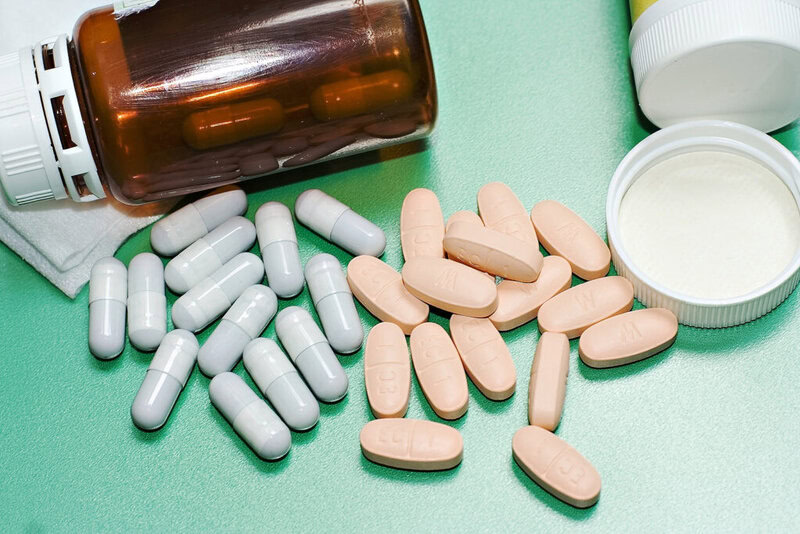
When travelling through some parts of the world, it may be necessary for you to take antimalarial tablets and the most appropriate form of preventative treatment will depend on which countries you intend to visit.
This is because, in some regions, the malaria parasite has developed resistance to chloroquine, one form of antimalarial, so you will need to take something else in order to be protected against the disease.
Malaria itself is endemic in more than 100 countries and can cause severe complications, including digestive problems, high fever, muscle pain and convulsions. If left untreated, it can be fatal. If you are travelling in a high-risk area, you will need to ensure that you’ve taken the necessary steps to protect yourself.
Malaria tablets offer effective protection, but you will still need to practise insect bite avoidance by using an insect repellent, covering your arms and legs, and using a mosquito net to prevent being bitten at night.
A travel consultation with the Newdays pharmacist will allow you to source the right medication for you based on your medical history and what you have planned during your trip. It can also be beneficial to check official malaria guidance and advice for your specific destinations.
Malarone
As an antimalarial, Malarone is a suitable course of treatment for malaria prevention in all countries. It must be taken daily two days before you visit a high-risk area and you must continue taking it for seven days after you leave.
Common side-effects include diarrhoea, nausea, vomiting and stomach pain, as well as dizziness, unusual dreams, rash, insomnia, cough, mood disorders and blood changes.
Doxycycline
Doxycycline is a suitable antimalarial for use in all parts of the world. The course of treatment must be started two days prior to travel, with one tablet to be taken each day. You need to continue taking the tablets for four weeks after you return from an at-risk area.
Side-effects include increased skin sensitivity to the sun (so applying sun cream is more important when taking the tablets). Other possible side-effects include nausea, loss of appetite, stomach problems and diarrhoea.
Chloroquine and proguanil
One of the most affordable antimalarials is chloroquine and proguanil, but it is only suitable for use in specific countries because of parasite resistance.
Adults over 45kg will need to take their prescribed dose of chloroquine once a week on the same day each time. The dose of proguanil should be taken once a day. Ideally, you should begin taking both tablets one week before visiting an at-risk area and you should continue taking them for four weeks after leaving.
Common side effects you may experience include stomach problems, diarrhoea, skin reactions and headaches.
A travel consultation is required before antimalarial tablets can be supplied.
Before any antimalarial medication can be recommended or dispensed, a consultation with one of our pharmacists must take place. This ensures your destination, travel dates, medical history and any contraindications are assessed safely in line with current UK clinical guidance. No GP referral is needed to book directly at your nearest Newdays branch.
Which Countries Require Antimalarial Tablets?
Malaria risk varies significantly by destination and even by region within a country. The following are among the most common high-risk areas for UK travellers:
Sub-Saharan Africa; including Kenya, Tanzania, Uganda, Ghana, Nigeria and Senegal
South and Southeast Asia; including parts of India, Pakistan, Cambodia and Myanmar
Central and South America; including parts of Brazil, Colombia, Peru and Bolivia
The Caribbean; specifically parts of Haiti
The Middle East and Pacific; including parts of Yemen and Papua New Guinea
Because risk levels differ within countries, a pharmacist consultation at Newdays is the safest way to confirm whether antimalarials are required for your specific itinerary and which medication is the most appropriate for your destination.
When Should You Book
We recommend booking your antimalarial consultation at least 6–8 weeks before your departure date. This ensures you can begin your course at the right time before travelling.
| Timeline | Guidance |
|---|---|
| 6–8 weeks before departure | Ideal; allows time for a full consultation and to start your course correctly. |
| 2–4 weeks before departure | Still worthwhile; most antimalarials can still be initiated at this stage. |
| Travelling at short notice | Contact us immediately; we will advise on the best available option for your timeframe. |
| Returned from travel with symptoms? | If you experience fever or flu-like symptoms during or after travel to a risk area, seek urgent medical attention immediately. |
Why choose Newdays Pharmacy
All our pharmacists are trained to provide you with all the help and advice you need in order to travel the world safely. Get in touch with us today to find out more.
No GP referral needed; our pharmacists can assess your needs and supply medication directly
Clinically trained team; travel health risk assessments carried out in line with current UK public health guidance
Personalised advice; your medication is chosen based on your specific destination, itinerary and medical history, not a generic recommendation
Four convenient branches; serving Windsor, Eton, Lane End, Twyford and Reading (Coley Park)
Transparent pricing; costs are explained clearly before any medication is dispensed
How it works
Book Your Travel Consultation
Complete our online form to nominate your preferred branch to receive your prescriptions
Complete Your Travel Health Assessment
Our pharmacist will review your destination, travel dates, and medical history to assess which antimalarial treatment is most suitable for you.
Receive Your Personalized Antimarial Medication
Your pharmacist will provide your recommended antimalarial tablets along with clear guidance on when to start taking them and any potential side effects to be aware of.
FAQ
Common Questions & Answers
Can I get antimalarial tablets without a GP prescription?
Yes, antimalarial tablets can be supplied following a pharmacist consultation without needing a GP visit. At Newdays Pharmacy, your travel destination, duration, and medical history are assessed to recommend the most appropriate and effective medication.
Which antimalarial medications are available?
Common options include atovaquone/proguanil (Malarone), doxycycline, and chloroquine with proguanil. The choice depends on malaria resistance in your destination and your individual health profile.
When should I start taking antimalarials before travel?
Depending on the medication, treatment usually starts 1–2 days or up to 1–2 weeks before travel. You must continue taking tablets after returning to ensure full protection.
Do antimalarials completely prevent malaria?
No, they significantly reduce the risk but are not 100% effective. Additional precautions like insect repellent, long-sleeved clothing, and mosquito nets are strongly recommended.
What side effects can antimalarial tablets cause?
Side effects may include nausea, headaches, dizziness, or sensitivity to sunlight, depending on the medication. A pharmacist will explain risks and help choose the safest option.